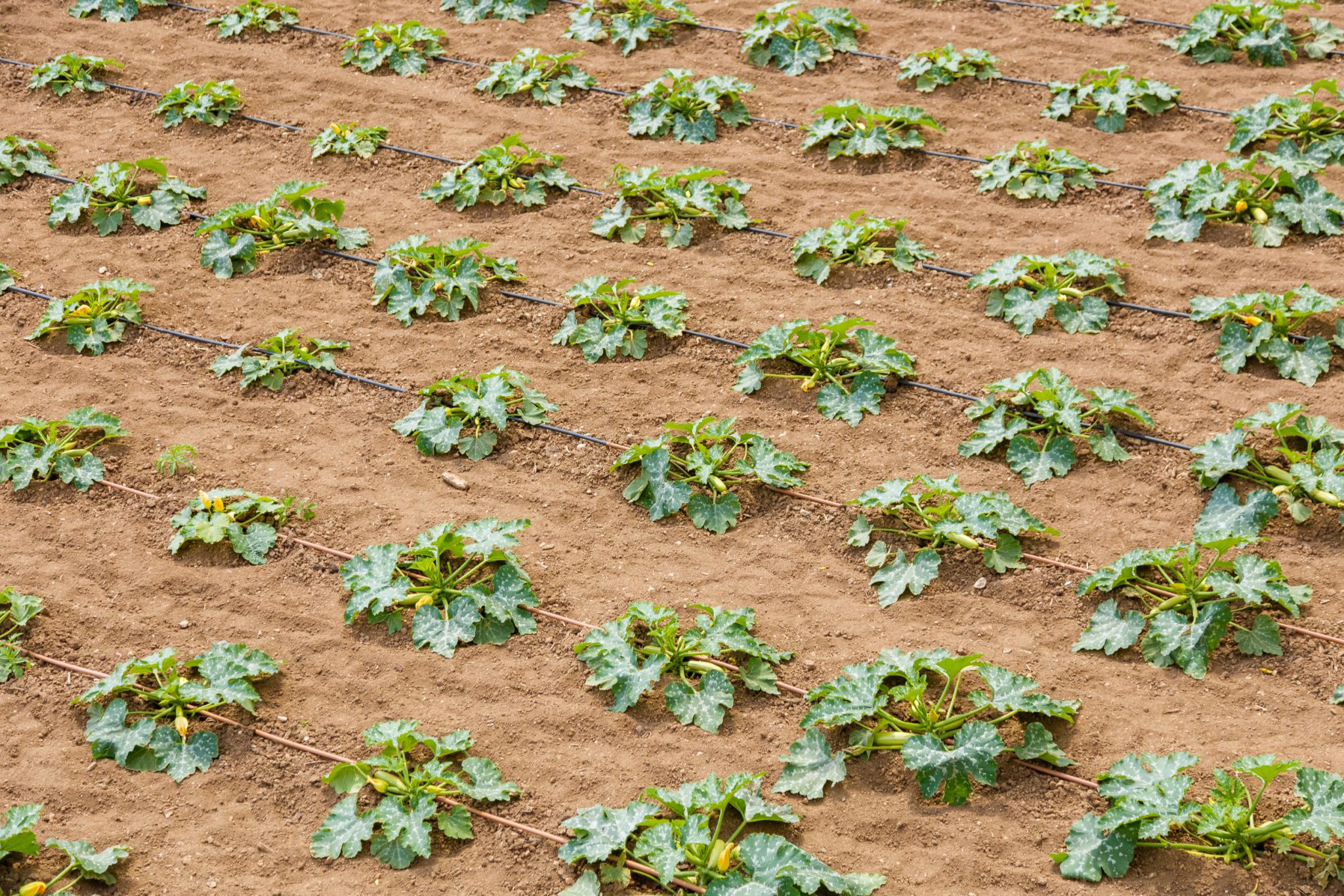
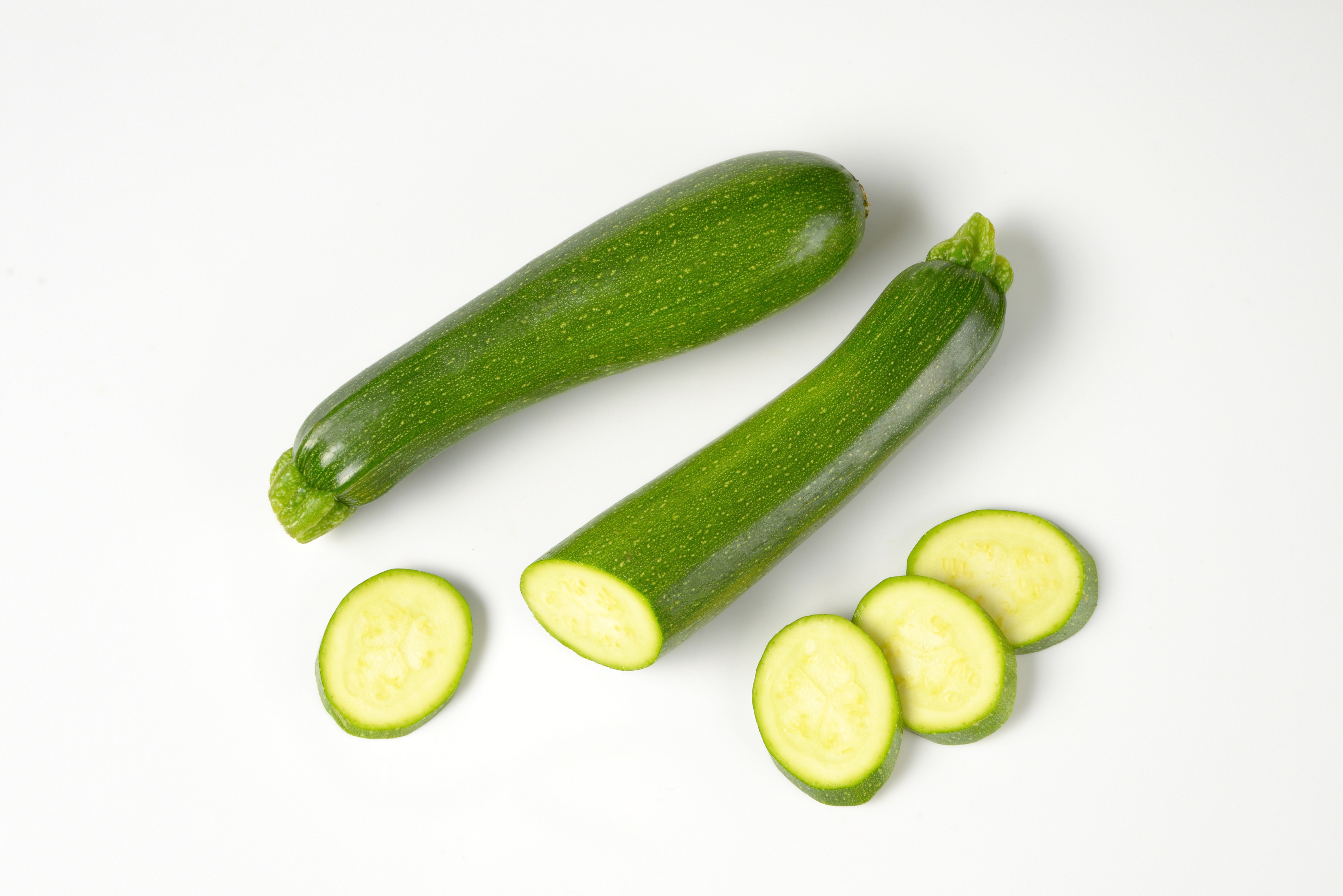
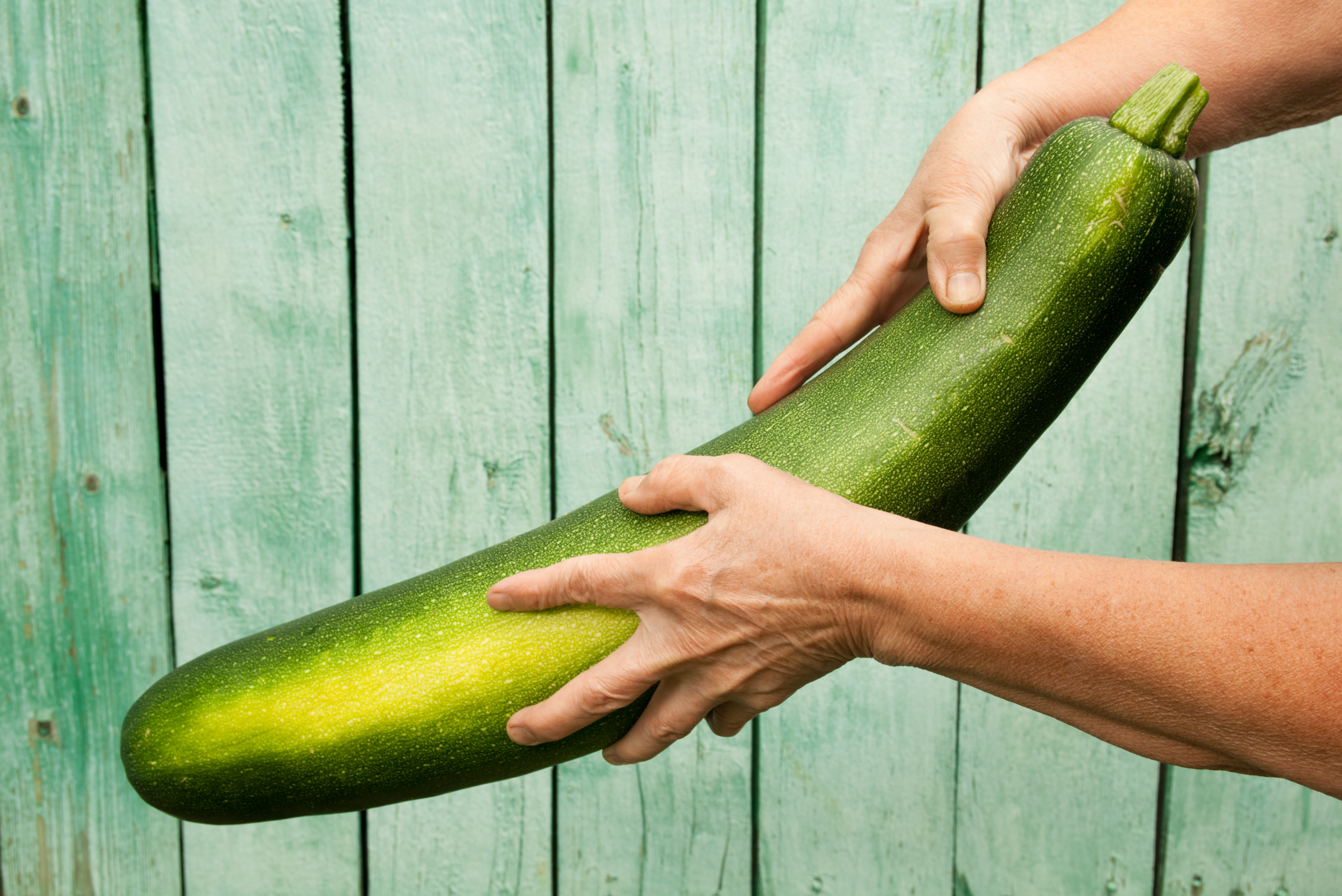
How Many Seeds To Plant For Zucchini : Female Hand Planting Zucchini Seed In Soil Selective Focus Stock Photo Image By C Emola09 135120994 / Zucchini has a very high germination rate, so it is very likely that all germinate, but i like to keep the odds in my favour.. Plant seeds an inch deep, 4 to 5 seeds per hill. You can use it in many ways; Larger seeds such as zucchini, melon, pumpkin, sunflowers or pickles should all only contain one seed per hole. Eight to ten hours is even better. Spinach (thin to 6 plants/ft.
Put the container in a sunny location that gets. You will want to sow your zuc seeds a couple of weeks after the last frost in spring. Smaller seeds like carrots, beets, lettuce and kale can have 2 to 3 seeds per hole. A zucchini can grow up to an inch every day. Zucchini has a very high germination rate, so it is very likely that all germinate, but i like to keep the odds in my favour.
How To Grow Zucchini Guide Install It Direct from www.installitdirect.com They sprout quickly as long as the temperature and moisture are optimal. Sow 3 seeds in each spot you want a plant to grow and thin to the strongest one. One zucchini plant will yield about three to nine pounds. Wait to plant seeds or transplants until the soil is at least 65 to 70 degrees. You will want to sow your zuc seeds a couple of weeks after the last frost in spring. Generally, a healthy pickling cucumber plant produces about 5 pounds of cucumbers per plant. Be sure to choose an area when you did not plant squash or related crops within 2 years. If you plant cucumbers for slicing and eating fresh, plan on growing about 2 to 3 plants per person in your household;
As with zucchini in the garden, give your container a full sun location and consistent watering to keep the soil moist as the seeds germinate and the plants grow.
You will never get tired of eating zucchini. You should really take care of the plant so that it will have a healthy growth and eventually healthy fruits. Firm lightly and keep evenly moist. Put the container in a sunny location that gets. Start by planting a scattering of seeds, each at least four inches from the edges of your container. However, beyond that is tender foliage cover so smaller root plants or lettuce would be fine to sow there. Larger seeds such as zucchini, melon, pumpkin, sunflowers or pickles should all only contain one seed per hole. The seeds should be planted about an inch deep. Generally, a healthy pickling cucumber plant produces about 5 pounds of cucumbers per plant. If you plant cucumbers for slicing and eating fresh, plan on growing about 2 to 3 plants per person in your household; Individual zucchini plants after the chance of frost has passed, plant two to three seeds 36 inches (92 cm.) apart. Drop seeds in the holes. The seeds should be planted about an inch (2.5 cm.) deep.
This means that the larger the container you can provide, the better. Sow zucchini seeds directly in the garden in fertile, warm soil in full sun after danger of frost has passed. The seeds should be planted about an inch (2.5 cm.) deep. A container that is around 12 inches deep should be sufficient. Firm lightly and keep evenly moist.
Growing Zucchini Containers Controlling Blossom End Rot And Powdery Mildew Calikim Garden Home from calikimgardenandhome.com If all seeds germinate, thin them to one per pot or pellet. As with zucchini in the garden, give your container a full sun location and consistent watering to keep the soil moist as the seeds germinate and the plants grow. One zucchini plant will yield about three to nine pounds. Place the seeds an inch below the soil surface. Amend the soil with compost or manure as zucchini plants are heavy feeders, meaning they require a lot of nitrogen. Drop seeds in the holes. Treat your garden right and give it a chance to stand out. It is all about personal choice.
The seeds should be planted about an inch (2.5 cm.) deep.
Usually, i plant two seeds per pot or jiffy pellet. Radish (thin to 12 plants/ft. Wait to plant seeds or transplants until the soil is at least 65 to 70 degrees. Thin it to 1 plant per spot once the seeds have sprouted and have grown their first set of true leaves. Be sure to choose an area when you did not plant squash or related crops within 2 years. Start by planting a scattering of seeds, each at least four inches from the edges of your container. Sowing seeds is not a difficult task, all the instructions are available on the seed packet. Plus, hilling allows you to dig compost in to the soil. For each site, plant 2 seeds 1″ deep. A container that is around 12 inches deep should be sufficient. Plant seeds an inch deep, 4 to 5 seeds per hill. You will want to sow your zuc seeds a couple of weeks after the last frost in spring. They sprout quickly as long as the temperature and moisture are optimal.
They like the full sun, and the more sun they get, the bigger the plants grow and the more they produce. Herein, what vegetables can you grow in a grow bag? The seeds should be planted about an inch deep. Wait to plant seeds or transplants until the soil is at least 65 to 70 degrees. However, as a hungry plant, zucchini needs plenty of nutrients to grow and produce well.
How To Grow Zucchini Squash Growing Garden Zucchini Plants From Seeds By The Gardener S Network from www.gardenersnet.com Plus, hilling allows you to dig compost in to the soil. Herein, what vegetables can you grow in a grow bag? In warmer growing zones (including the southeast, gulf coast, and desert southwest), gardeners can plant two crops of zucchini, one in the spring and one in the fall. This means that the larger the container you can provide, the better. Growing zucchini on a trellis to train zucchini plants up a vertical trellis , choose a sturdy support or fence material that can support the weight of the squash. Put the container in a sunny location that gets. Plant 1 site in a 12″ / 5 gal container. Sow the zucchini seeds at least two to three feet apart, in holes approximately one inch deep.
The seeds should be planted about an inch deep.
However, as a hungry plant, zucchini needs plenty of nutrients to grow and produce well. Sow 3 seeds in each spot you want a plant to grow and thin to the strongest one. Growing zucchini on a trellis to train zucchini plants up a vertical trellis , choose a sturdy support or fence material that can support the weight of the squash. A container that is around 12 inches deep should be sufficient. If you plant cucumbers for slicing and eating fresh, plan on growing about 2 to 3 plants per person in your household; Amend the soil with compost or manure as zucchini plants are heavy feeders, meaning they require a lot of nitrogen. Larger seeds such as zucchini, melon, pumpkin, sunflowers or pickles should all only contain one seed per hole. Cover with 1 inch of fine soil. Be sure to choose an area when you did not plant squash or related crops within 2 years. Place the seeds an inch below the soil surface. Smaller seeds like carrots, beets, lettuce and kale can have 2 to 3 seeds per hole. In larger containers, space sites 24″ apart. Zucchini is quite a good choice for container gardens because it has relatively shallow roots.
How To Tell When Zucchini Is Ripe - Ripe Zucchini In Hand Harvest Of Organic Vegetables Stock Photo Download Image Now Istock / Do not eat a zucchini if it is covered with rotten spots or decay.. Zucchini squash does change its skin color when it is ripe. The skin is slightly shiny when ready to eat. That makes me wonder if it might be bitter tasting (perhaps to ward off early predators). You can still see green streaks in the yellow field, a sure sign that the watermelon is not ripe. Are there any brown or mushy spots?
If you find that you and yours are drowning in more zucchini than can be reasonably used, leave a few fruit on the plant to slow down production. Comments (4) i prefer the smaller zucchini over the large ones. When the early zucchinis are about six inches long, you can start harvesting them. The skin is slightly shiny when ready to eat. The larger they get, the more seeds they get.
How To Tell If A Zucchini Squash Is Bad from s3-us-west-1.amazonaws.com When you jump from growing summer squash and zucchini into growing the winter squashes (sometimes called hard squash), you have to figure out when they are ripe and ready to pick. The skin is slightly shiny when ready to eat. I prefer to eat the skin and all. For optimum flavor, you should pick the zucchini. Zucchini plants are simple to grow from seeds and have a short growing season. Check your seed pack or plant tag for the mature color of your particular zucchini), and be firm to the touch. Avoid pulling on the zucchini, as this can damage both the vegetable and the plant. If there are uneven squishy spots or obvious damage to the skin, it's probably bruised and brown inside.
If the fruit feels mushy, it's probably rotting and should be discarded.
If you find that you and yours are drowning in more zucchini than can be reasonably used, leave a few fruit on the plant to slow down production. Whether you are an expert in the kitchen or just experimenting with new vegetables, learn what you should look for to know when a zucchini is ripe. You'll likely know a bad vegetable when you taste it, as plants with a high concentration of cucurbitacin are extremely and unpleasantly bitter. However, it shouldn't be outright hard — the flesh should give very slightly when squeezed. If it is properly ripe, the skin of the squash will be both hard and very thick in nature. After a day or two at room temperature, these avocados will be ripe and ready for you to enjoy! I simply pick young, wash, chop, sautee and eat. About 45 to 55 days after planting, you'll begin to see blooms, which are soon replaced with the fruit. The zucchini will turn from a light green color to olive green color. The skin should be smooth and the avocado. Another sign that a watermelon is ripe that the ground spot—the part of the melon resting on the ground—turns from bright white to yellow. The vegetable may feel mushy, and the skin may be wrinkled or shriveled. The skin is slightly shiny when ready to eat.
It's actually easier to feel for what you don't want: An extra bonus is a longer shelf life. 8 to 10 is perfect with a 2 diameter. Whether you are an expert in the kitchen or just experimenting with new vegetables, learn what you should look for to know when a zucchini is ripe. Select zucchini that is fairly firm and not too soft.
How To Save Zucchini Seeds 500 Seeds Per Zucchini from cdn.shortpixel.ai Zucchini squash does change its skin color when it is ripe. When you jump from growing summer squash and zucchini into growing the winter squashes (sometimes called hard squash), you have to figure out when they are ripe and ready to pick. If it is properly ripe, your nail won't penetrate the squash in any way, shape, or form. When ripe, a crookneck squash will be between 4 and 6 inches in length and less than 2 inches wide. Lesser known than its relatives, yellow squash or zucchini, patty pans have a distinct shape which some people describe as similar to a flying saucer. Feel for a hard exterior before settling on a squash. However, it shouldn't be outright hard — the flesh should give very slightly when squeezed. The zucchini should be a dark green color (color can depend on the variety of zucchini you are growing.
That makes me wonder if it might be bitter tasting (perhaps to ward off early predators).
Is the color bright and vibrant? Comments (4) i prefer the smaller zucchini over the large ones. To test the ripeness of the spaghetti squash, use your fingernail to poke at the exterior of the squash. This is the best time to pick this tasty green fruit. Martha's head gardener, ryan mccallister, has a few tips and techniques to help you get a plentiful harvest of zucchini this season. If your zucchini feels mushy or soft, it could be starting to rot. Depending on the variety, a ripe zucchini can be dark green, yellow or white. It should feel firm but give very slightly when ripe. If it is properly ripe, the skin of the squash will be both hard and very thick in nature. You can pick a 3 zucchini if you want. Avoid squash with soft spots or blemishes. Check bush thoroughly for the green zucchini that often hides from view underneath large leaves. Of course, with the zucchini, you pretty much pick them whenever they get big enough that you can see them!
Whether you are an expert in the kitchen or just experimenting with new vegetables, learn what you should look for to know when a zucchini is ripe. After a day or two at room temperature, these avocados will be ripe and ready for you to enjoy! If it is properly ripe, your nail won't penetrate the squash in any way, shape, or form. For optimum flavor, you should pick the zucchini. It's actually easier to feel for what you don't want:
What To Do With An Extra Large Zucchini from s3-us-west-1.amazonaws.com Lesser known than its relatives, yellow squash or zucchini, patty pans have a distinct shape which some people describe as similar to a flying saucer. If you find that you and yours are drowning in more zucchini than can be reasonably used, leave a few fruit on the plant to slow down production. Avoid pulling on the zucchini, as this can damage both the vegetable and the plant. Look for sturdy texture when it comes to veggies like bell peppers, broccoli, zucchini and yellow squash. With a delicate, mild flavor, much akin to zucchini, the patty pan squash, also referred to as the scallop squash, is a small variety of summer squash. When you apply pressure to the avocado, it should still be somewhat firm. Not surprisingly, this is also how to tell if an avocado is too ripe. Check your seed pack or plant tag for the mature color of your particular zucchini), and be firm to the touch.
The vegetable may feel mushy, and the skin may be wrinkled or shriveled.
6 years ago most people eat zucchini and summer squash when they're young and have tender skins so they aren't ripe. Zucchini should be cut off the stem with a sharp knife or shears. You want just a little give, as too much is a sign that the pineapple may be too ripe. When ripe, a crookneck squash will be between 4 and 6 inches in length and less than 2 inches wide. Depending on the variety, a ripe zucchini can be dark green, yellow or white. Another sign that a watermelon is ripe that the ground spot—the part of the melon resting on the ground—turns from bright white to yellow. If it feels squishy, it's getting overripe but it might be just right for mashing into guacamole. Brought to you by martha. If the fruit feels mushy, it's probably rotting and should be discarded. I simply pick young, wash, chop, sautee and eat. 8 to 10 is perfect with a 2 diameter. A ripe zucchini that's ready for grilling should be firm and crisp. I prefer to eat the skin and all.